
Essential Items for Your Car Emergency & Cleaning Kit in Australia
Prepare for the unexpected on Australian roads. This guide from SafeDrive Driving School outlines essential emergency and cleaning items every learner and supervising driver should keep in their car.
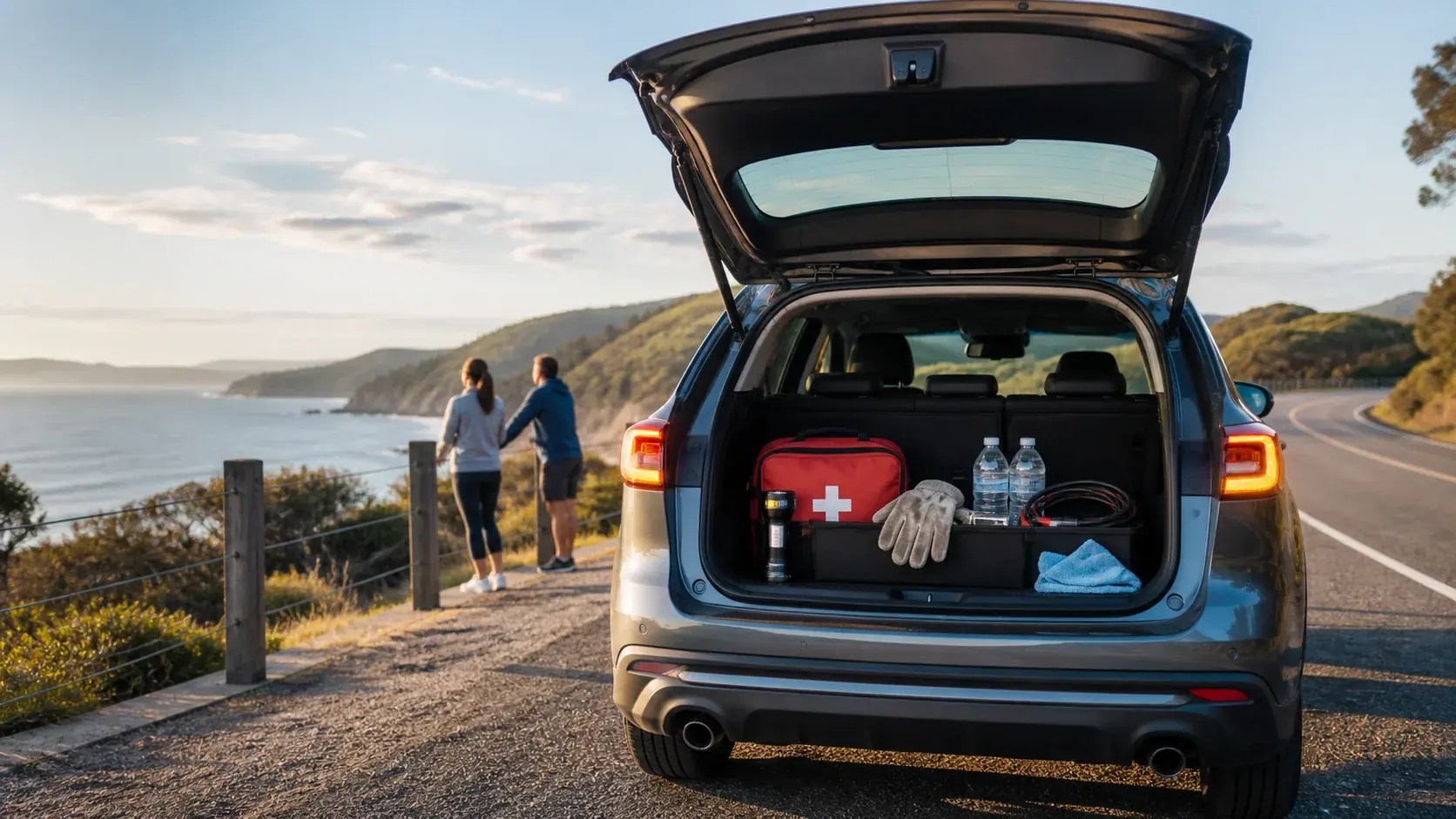
As a learner driver in Sydney, or a supervising driver, being prepared for unexpected situations on the road is crucial. A well-stocked car emergency and cleaning kit can turn a stressful breakdown or a minor spill into a manageable inconvenience. At SafeDrive Driving School, we believe that preparation is a key component of safe driving. This guide outlines the essential items you should always keep in your vehicle, ensuring you're ready for anything from a flat tyre to an unexpected clean-up.
Roadside Emergency Preparedness
Even with regular vehicle maintenance, breakdowns and minor incidents can occur. Having the right tools and supplies on hand can ensure your safety and help you get back on the road, or at least stay safe while waiting for assistance. Being proactive about roadside emergencies can significantly reduce stress and potential hazards.
- Jump Starter Kit: Flat batteries are common, especially with modern vehicles that have many electronic components. A portable jump starter means you won't need another vehicle to get going again. Ensure it's charged regularly and check its charge level before long trips.
- Torch (Flashlight) with Spare Batteries: Essential for inspecting your vehicle or changing a tyre in the dark. A headlamp can be even more practical, leaving your hands free for tasks. Consider an LED torch for brighter, longer-lasting light.
- First-Aid Kit: A comprehensive kit for minor injuries is non-negotiable. Include bandages, antiseptic wipes, pain relief, sterile gloves, and any personal medications you or your passengers might need. Regularly check expiry dates on items.
- Reflective Warning Triangle or Cones: If you break down, these help alert other drivers to your presence, especially at night or in poor visibility. If you break down, prioritise personal safety: pull as far left as possible, turn on hazard lights, stay belted in the vehicle where safe and call roadside assistance. Do not walk along the road to place a warning device unless the vehicle, road and official guidance make that safe and appropriate. The NSW Government says heavy vehicles over 12 tonnes may have specific warning-triangle obligations.
- Basic Tool Kit: A few essential tools like a screwdriver set (Phillips head and flathead), pliers, and an adjustable spanner can be invaluable for minor repairs or tightening loose components. Consider adding a small roll of electrical tape and cable ties.
- Tyre Pressure Gauge: Regularly checking your tyre pressure is vital for safety, fuel efficiency, and extending tyre life. An accurate gauge helps you maintain correct pressures, as specified in your vehicle's owner's manual. Under-inflated tyres are a common cause of accidents.
- Gloves: Protect your hands from dirt, grease, or sharp edges when dealing with a flat tyre, checking the engine, or handling other roadside issues. Work gloves or disposable nitrile gloves are suitable.
- Water and Non-Perishable Snacks: In case of a prolonged wait for assistance, especially in remote areas or hot Australian weather. Keep at least a few litres of drinking water and some energy bars or biscuits.
- Mobile Phone and Charger: While not strictly 'in' the kit, ensure your phone is charged and you have a car charger or power bank. It's your primary tool for calling for help.
Keeping Your Car Clean and Tidy
A clean car isn't just about aesthetics; it contributes to a safer driving environment by reducing distractions and maintaining clear visibility. Spills and dirt can also damage your car's interior if left unattended, leading to odours and potential long-term wear. A well-maintained interior also makes for a more pleasant driving experience for everyone.
- Microfibre Cloths: Excellent for cleaning windows, dashboards, and spills without scratching surfaces. Keep a few handy for quick wipe-downs. They are highly absorbent and lint-free.
- Glass Cleaner: For maintaining clear windscreens and mirrors, which is critical for visibility. Always clean both the inside and outside of your windows to remove grime and film. Ammonia-free cleaners are best for tinted windows.
- All-Purpose Interior Cleaner: For quick wipe-downs of surfaces, removing dust, and addressing minor spills on upholstery or hard surfaces. Choose a product safe for various car interior materials.
- Small Rubbish Bag: To prevent litter from accumulating in your car. Empty it regularly to avoid unpleasant odours and a cluttered environment.
- Hand Sanitiser: Useful for cleaning hands after roadside checks, before eating in the car, or after touching public surfaces. An alcohol-based sanitiser is effective.
- Paper Towels or Tissues: For quick clean-ups, drying surfaces, or personal use. A roll of paper towels can be invaluable for larger spills.
Glovebox Essentials and Documentation
Your glovebox should hold more than just gloves. It's the ideal place for critical documents and small, frequently needed items that you might need to access quickly in an emergency or during a routine traffic stop. Ensuring these items are organised and up-to-date is part of responsible driving.
- Driver's Licence: Always carry your current NSW Learner Driver Licence when driving. This is a legal requirement (NSW Government, Road User Handbook). Ensure it is valid and not expired.
- Vehicle Registration Papers: While often digital in NSW, having a physical copy or knowing how to access it quickly on your phone can be helpful during roadside checks or in areas with poor mobile reception.
- Insurance Details: Keep your policy number and contact details for your insurer readily available. In case of an accident, you'll need this information to exchange with other parties and report the incident.
- Emergency Contact Information: A card with names and phone numbers of people to contact in an emergency, especially if your phone is lost, damaged, or out of battery. Include any critical medical information.
- Pen and Paper: For taking notes after an incident, exchanging details with other drivers, or jotting down directions if your GPS fails.
- Roadside Assistance Membership Card: If you have roadside assistance, keep the card or membership details handy for quick access to help. Knowing your membership number can speed up service when you call.
- Small Amount of Cash: Useful for tolls, parking meters, or small purchases if electronic payments aren't available.
Being prepared for the unexpected is a hallmark of a responsible driver. By assembling and maintaining a comprehensive emergency and cleaning kit, you're not just preparing for potential problems; you're investing in your safety and peace of mind on every journey. This proactive approach is a core lesson we teach at SafeDrive Driving School, empowering our learner drivers to handle various situations with confidence. Safe driving starts with smart preparation and the right tools at hand.
Official sources
- Road User Handbook — NSW Government
- NSW Driver Licences & Learner Driver Guidelines — NSW Government