
Mastering the Art of Supervising: Clear, Calm Driving Instructions for NSW Learners
Supervising a learner driver in NSW requires patience and clear communication. Learn practical strategies to give calm, effective instructions and create a positive learning environment.
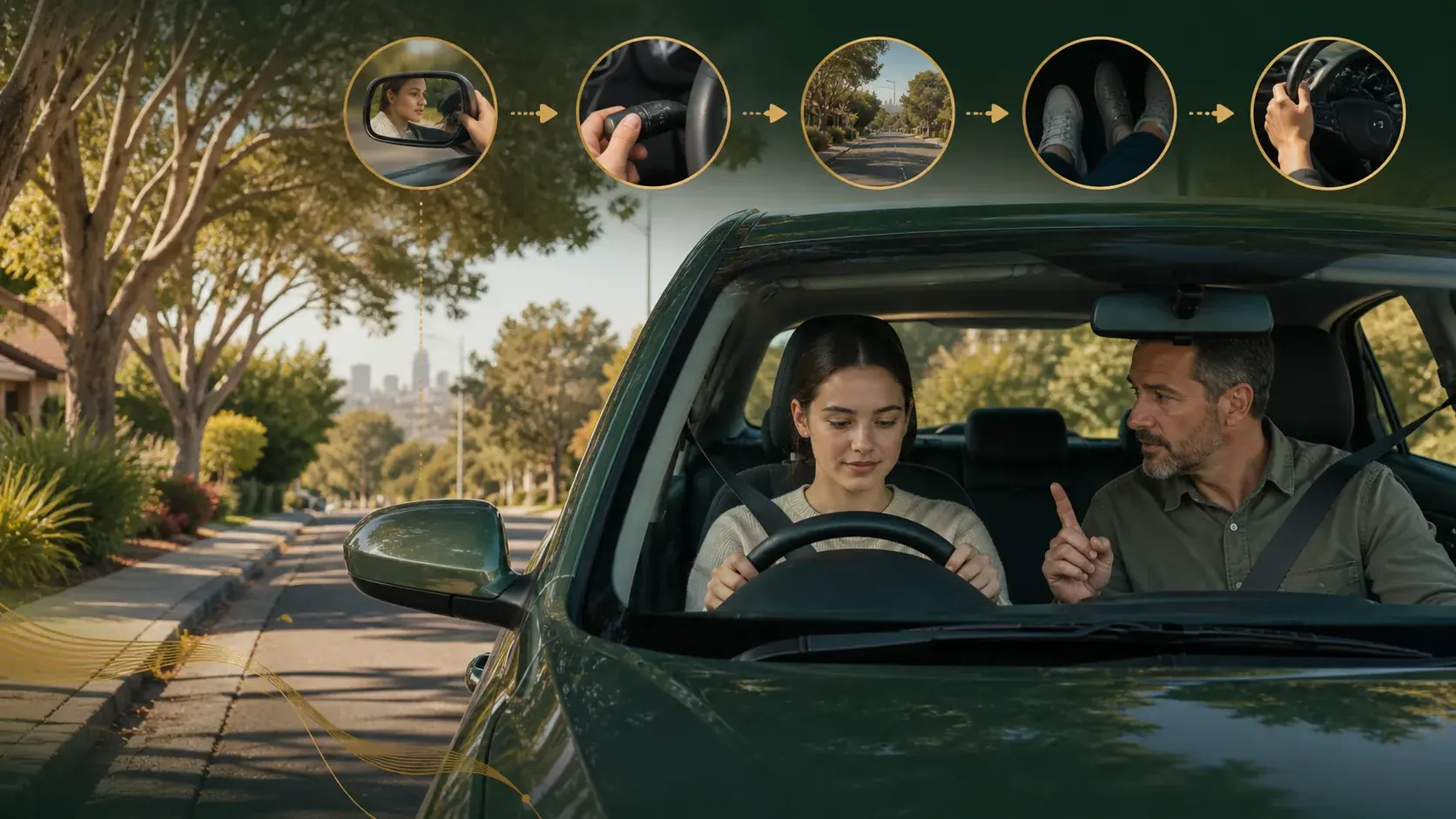
Supervising a learner driver is a significant responsibility and a vital part of their journey to becoming a safe, confident driver. For many, it can also be a source of stress for both the learner and the supervisor. At SafeDrive Driving School, we understand that effective supervision hinges on clear, calm communication. This guide offers practical strategies for supervising drivers in NSW to provide instructions that are easy to understand, reduce anxiety, and foster a positive learning experience.
Preparation is Key: Before You Even Start the Engine
Good preparation sets the stage for a productive driving lesson. It's not just about the learner being ready; the supervising driver also needs to be prepared to guide effectively. This includes planning your route and discussing expectations beforehand.
- Plan Your Route: Before heading out, discuss the route with your learner. Choose areas that match their current skill level. Start with quiet residential streets for basic manoeuvres and gradually introduce more complex environments like main roads or roundabouts as their confidence grows. Avoid busy, unfamiliar routes during early lessons.
- Set Clear Goals: Each session should have a focus. Is it parking, lane changes, or navigating intersections? Communicate this goal to your learner. For example, "Today, we'll focus on smooth braking and acceleration in light traffic."
- Review Road Rules: Briefly discuss relevant road rules for the upcoming session. A quick reminder about give way rules at intersections or speed limits can prevent confusion on the road. The NSW Road User Handbook is an excellent resource for this (NSW Government, Road User Handbook).
- Check Vehicle Readiness: Ensure the car is in good working order. This includes checking tyre pressure, fluid levels, and ensuring all lights are functional. A well-maintained vehicle contributes to a safer and less stressful learning environment.
Delivering Instructions: Clarity, Timing, and Tone
The way you deliver instructions can significantly impact how a learner processes and acts on them. Aim for instructions that are concise, timely, and delivered with a calm, encouraging tone.
- Be Concise and Direct: Avoid long, rambling sentences. Use short, clear commands. Instead of, "When you get to that next street, I want you to indicate left and then turn the steering wheel smoothly," try, "Next street, left indicator, turn left."
- Timely Instructions: Give instructions with enough time for the learner to react, but not so early that they forget. For example, when approaching an intersection, say "Prepare to turn left at the next street" a good distance before, then "Indicator on, check mirrors, turn left" closer to the turn.
- Use a Calm and Even Tone: Your voice is a powerful tool. A calm, steady tone reassures the learner. Raising your voice or sounding frustrated will only increase their anxiety and make it harder for them to concentrate. Remember, they are learning and will make mistakes.
- Focus on One Instruction at a Time: Overloading a learner with multiple instructions at once can be overwhelming. Break down complex manoeuvres into smaller, manageable steps.
- Positive Reinforcement: Acknowledge and praise good driving. "Good lane positioning," or "That was a smooth stop" can boost confidence and encourage good habits. Even small improvements deserve recognition.
Managing Challenges and Maintaining a Positive Learning Environment
Mistakes are an inevitable part of learning. How you handle these moments can define the learner's progress and their overall attitude towards driving.
- Stay Patient: Learning to drive takes time and practise. Some days will be better than others. Patience is paramount. If you feel your patience wearing thin, it's okay to take a short break or end the session early.
- Debrief After Each Session: Once the car is safely parked, take a few minutes to discuss the session. What went well? What areas need more practise? This reflective practise helps solidify learning and identify areas for improvement. Keep it constructive and encouraging.
- Avoid Micromanaging: While it's important to supervise, try not to give a running commentary on every single action. Allow the learner space to think and make decisions. Intervene only when necessary for safety or to correct a significant error.
- Lead by Example: Learners observe everything. Ensure your own driving habits are exemplary, adhering to all road rules and demonstrating safe driving behaviours. This reinforces the lessons you are trying to teach.
- Consider Professional Lessons: Regular lessons with a qualified driving instructor complement supervised driving. Instructors have dual controls and structured lesson plans, providing a safe and effective learning environment. This can also give supervising drivers a break and provide fresh perspectives for the learner (NSW Government, NSW Driver Licences & Learner Driver Guidelines).
Supervising a learner driver is a rewarding experience that requires a thoughtful approach. By preparing adequately, delivering clear and calm instructions, and fostering a supportive environment, you'll help your learner develop the skills and confidence needed to become a safe and responsible driver on NSW roads. Remember, every kilometre driven under supervision is a step closer to their P-plates and independent driving.
Official sources
- Road User Handbook — NSW Government
- NSW Driver Licences & Learner Driver Guidelines — NSW Government