
Mastering Tyre Checks: Essential for Safe Driving Habits in Sydney
Learn essential steps for checking your car's tyre pressure and tread depth accurately. This guide helps NSW learner drivers and supervising drivers maintain vehicle safety and comply with road rules.
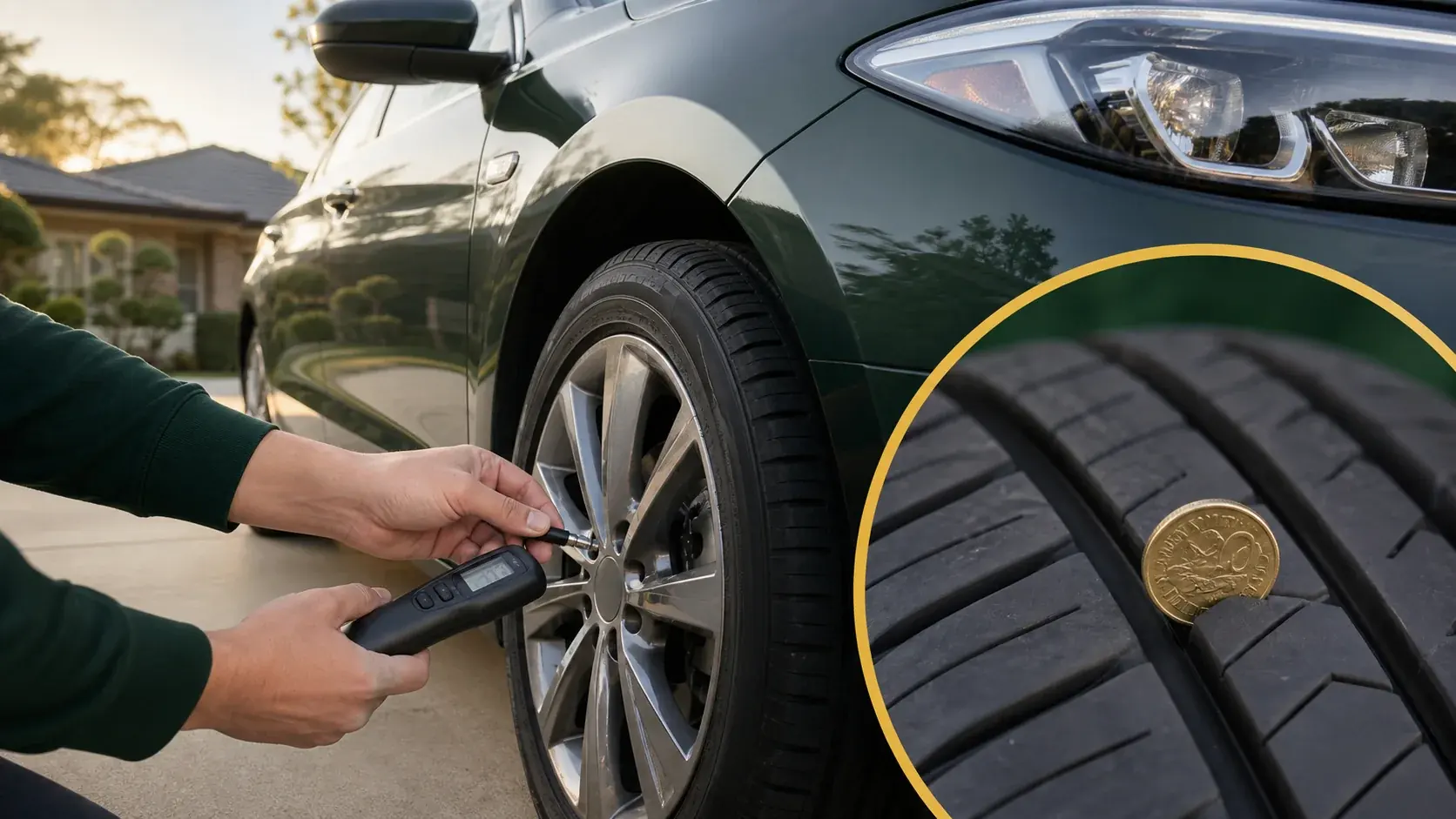
As a learner driver in NSW, understanding your vehicle's condition is just as important as mastering road rules. Tyres are your car's only contact with the road, making their proper maintenance crucial for safety, handling, and even fuel efficiency. Regularly checking tyre pressure and tread depth isn't just a good habit; it's a fundamental part of safe driving. This guide will walk you through how to perform these checks accurately, ensuring you're always driving safely and confidently on Sydney's roads.
Understanding Tyre Pressure: Why It Matters for Safe Driving
Correct tyre pressure ensures your vehicle handles predictably, brakes effectively, and maintains optimal grip. Incorrect pressure can lead to serious issues:
- Under-inflated tyres increase rolling resistance, leading to higher fuel consumption and excessive heat build-up, which can cause a blowout.
- Over-inflated tyres reduce the contact patch with the road, decreasing grip and making the ride harsher. They are also more susceptible to damage from potholes.
How to Check Tyre Pressure Accurately
You'll need a reliable tyre pressure gauge for this. Always check tyres when they are cold, meaning the car hasn't been driven for at least three hours, or for less than 1.5 km at a moderate speed.
- Locate the recommended tyre pressure: This is usually found on a sticker inside the driver's side door jamb, in the glove compartment, or in your car's owner's manual. It will specify different pressures for front and rear tyres, and sometimes for light versus heavy loads. Pressures are typically given in PSI (pounds per square inch) or kPa (kilopascals).
- Remove the valve cap: Unscrew the cap from the tyre valve stem.
- Attach the gauge: Press the tyre pressure gauge firmly onto the valve stem. You'll hear a brief hiss of air. The gauge will then display the pressure reading.
- Read the pressure: Compare the reading to your car's recommended pressure. If it's too high, gently press the small pin on the gauge or the valve stem to release air until it matches. If it's too low, use an air compressor (available at most service stations) to add air until it reaches the correct level.
- Replace the valve cap: This prevents dirt and moisture from entering the valve.
Assessing Tyre Tread: Your Grip on the Road
Tyre tread is essential for channelling water away from the tyre, preventing aquaplaning, and providing grip on various surfaces. Worn tread significantly reduces your car's ability to stop and steer, especially in wet conditions. The minimum legal tread depth in NSW is 1.5 mm across the width of the tread that normally comes into contact with the road surface.
How to Check Tyre Tread Depth
You can check tread depth using a dedicated tread depth gauge or a simple 20-cent coin.
- Using a tread depth gauge: Insert the probe of the gauge into the deepest part of the tyre's main tread groove, avoiding the tread wear indicators. Push the base of the gauge flat against the tread block and read the measurement.
- Using a 20-cent coin (the '20-cent test'): Place a 20-cent coin into a main tread groove. If the tyre tread doesn't reach the platypus's bill on the coin, your tyres are likely below the legal minimum tread depth and need replacing. This is a quick indicator, but a gauge provides a more precise measurement.
Beyond the Basics: Other Tyre Checks for Overall Safety
While pressure and tread are key, a quick visual inspection can reveal other potential issues:
- Sidewall damage: Look for any cuts, bulges, or cracks on the tyre sidewalls. These can indicate internal damage and a risk of sudden tyre failure.
- Uneven wear: If one part of the tyre is more worn than another, it could signal issues with wheel alignment, balancing, or suspension. This should be checked by a professional.
- Objects lodged in the tread: Check for nails, screws, or sharp stones embedded in the tread. These can lead to slow leaks or punctures.
Make these checks a regular part of your routine, perhaps once a month and before any long journeys. Consistent tyre maintenance contributes significantly to your safety and the longevity of your vehicle. For more information on vehicle safety and road rules, refer to the NSW Road User Handbook.
At SafeDrive Driving School, we emphasise that a safe driver is an informed driver. Understanding and performing these simple tyre checks will not only keep you safer on the roads of Blacktown and wider Western Sydney but also help you develop excellent safe driving habits from the start of your driving journey.
Official sources
- Road User Handbook — NSW Government
- NSW Driver Licences & Learner Driver Guidelines — NSW Government