
Crystal Clear Vision: A Learner's Guide to Windscreen Care
Learn how to effectively clean your car's windscreen, inside and out, to ensure optimal visibility and safety on NSW roads. This guide covers haze removal, proper cleaning techniques, and essential tools for learner drivers.
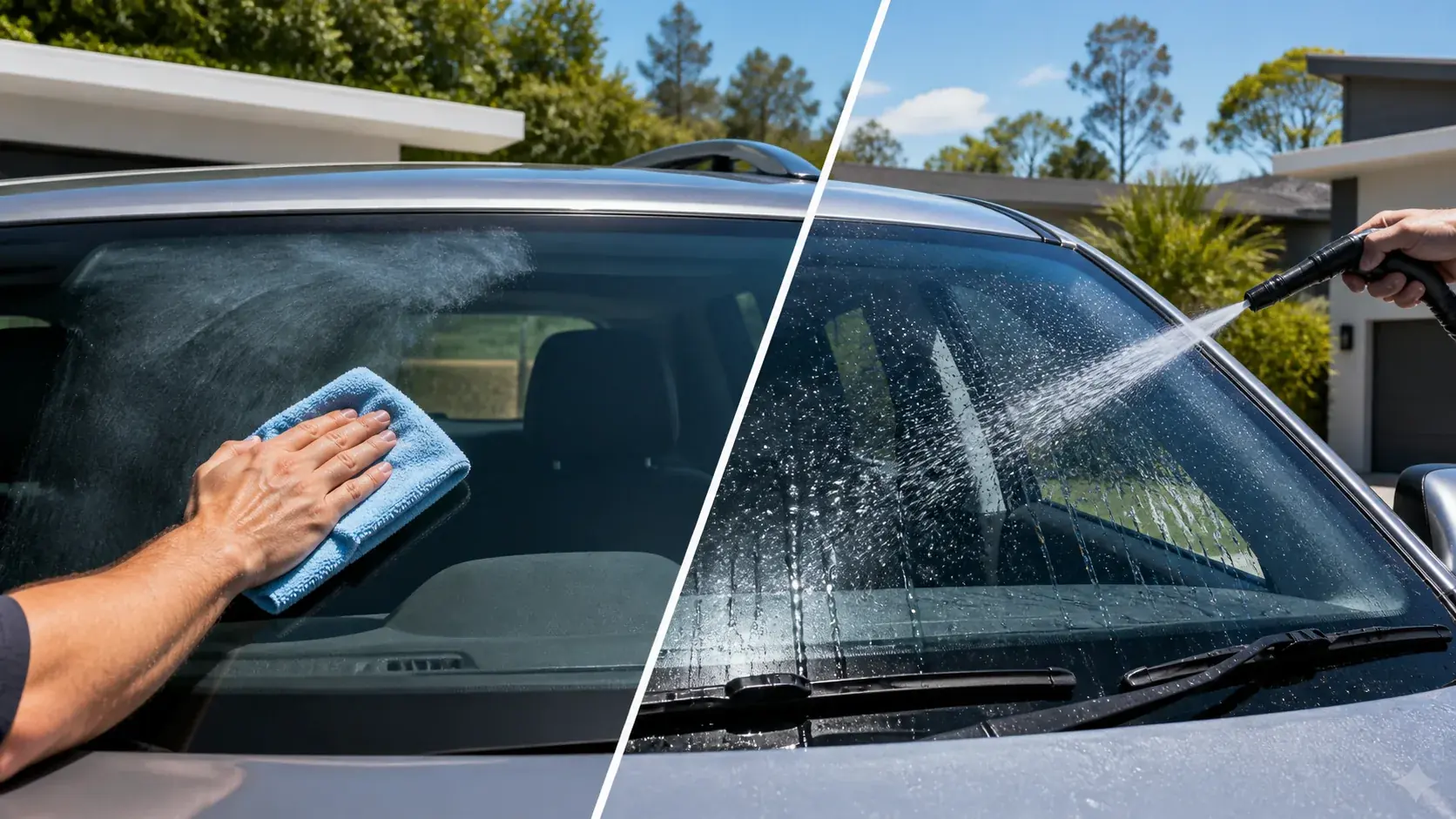
As a learner driver in Sydney, maintaining crystal clear vision through your windscreen is paramount for safety. A clean windscreen, both inside and out, significantly reduces glare, improves visibility in all weather conditions, and helps you spot hazards sooner. This guide from SafeDrive Driving School will walk you through the practical steps to achieve and maintain a spotless windscreen, ensuring you're always ready for the road.
Tackling the Exterior: Removing Grime and Bugs
The exterior of your windscreen faces the brunt of road grime, dust, and insect splatter. Regular cleaning is crucial, especially before driving lessons or long trips. Here’s how to get it sparkling:
- Pre-rinse: Start by hosing down the windscreen to remove loose dirt and soften dried-on bugs. Use plain water.
- Apply Cleaner: Spray a dedicated automotive glass cleaner generously over the entire exterior surface. Avoid household cleaners, as they can contain ammonia which may damage tint or plastic components over time. For stubborn bug residue, a specific bug and tar remover can be very effective.
- Wipe Down: Use a clean microfibre cloth, folded into quarters, to wipe the windscreen in overlapping sections. Work from top to bottom. Flip the cloth to a clean side frequently to avoid spreading dirt.
- Buff to a Shine: With a second, dry microfibre cloth, buff the windscreen until it's completely streak-free. Pay close attention to the edges.
- Check Wiper Blades: While cleaning, inspect your wiper blades. If they leave streaks or chatter, they need replacing. Good wiper blades are essential for clear vision in rain. Consider replacing them every 6-12 months, or sooner if you notice a decline in performance.
Conquering the Interior: Eliminating Haze and Film
The interior of your windscreen often develops a hazy film from dashboard off-gassing, dust, and condensation. This film is particularly noticeable and dangerous when driving into the sun or at night, as it can cause significant glare and reduce visibility. Removing it requires a slightly different approach:
- Gather Your Tools: You'll need a clean microfibre cloth specifically for glass, a second dry microfibre cloth, and an ammonia-free automotive glass cleaner. Some drivers prefer a mixture of distilled water and white vinegar (50/50) for interior glass, as it's a natural and effective alternative.
- Clean in Sections: Spray a small amount of cleaner onto your first microfibre cloth, not directly onto the glass. This prevents overspray onto interior surfaces and helps control the amount of product used. Work on small sections at a time, wiping in overlapping motions. Pay extra attention to areas where the sun hits directly.
- Buff Immediately: Immediately after wiping a section, use your second, dry microfibre cloth to buff the area until it's perfectly clear and streak-free. This quick buffing is key to preventing haze and achieving a pristine finish. Ensure no moisture or cleaner residue remains.
- Address the Edges: Don't forget the corners and edges where the windscreen meets the dashboard and pillars. These areas often accumulate the most film and are easily missed. Use a corner of your cloth or wrap it around a finger to reach tight spots.
- Repeat if Necessary: For heavily hazed windscreens, especially those that haven't been cleaned in a while, you may need to repeat the process a second time to achieve complete clarity. Patience and thoroughness are key here.
Maintaining Clarity: Ongoing Practise and Habits
Once your windscreen is spotless, adopting good habits will help keep it that way. Consistent maintenance is easier than tackling heavy build-up, and it contributes significantly to your overall driving safety.
- Regular Wipes: Keep a clean, dedicated microfibre cloth in your car for quick wipes of the interior windscreen, especially before driving in challenging light conditions like sunrise or sunset. A quick wipe can prevent glare from becoming a hazard.
- Avoid Touching: Try to avoid touching the interior glass with your hands, as oils and dirt can transfer easily, leaving smudges and contributing to film build-up. Educate passengers to do the same.
- Ventilation: Ensure good ventilation in your car by using the air conditioning or opening windows when appropriate to minimise condensation, which contributes to interior film. This is particularly important in humid conditions.
- Clean Your Dashboard: Regularly wipe down your dashboard and interior surfaces to reduce dust and prevent it from settling on the windscreen. Dust is a major contributor to interior haze.
- Professional Lessons: Remember that clear vision is a fundamental aspect of safe driving. Your SafeDrive Driving School instructor will always emphasise the importance of good visibility and hazard perception, which starts with a clean windscreen. Practise scanning the road ahead and around you, ensuring your vision is unobstructed, as outlined in the NSW Government Road User Handbook.
A clean windscreen is not just about aesthetics; it's a critical safety feature that directly impacts your ability to drive safely and react to road conditions. As a learner driver, developing the habit of maintaining your vehicle, including its glass, will serve you well throughout your driving journey. Clear vision means safer driving for you and everyone else on the road, reducing the risk of accidents and making your driving experience more enjoyable and confident. Make windscreen care a regular part of your pre-drive checks.
Official sources
- Road User Handbook — NSW Government
- NSW Driver Licences & Learner Driver Guidelines — NSW Government